
"smallholder coffee support"
300 article(s) found

Unique and mellow Ted Manor Fine Coffee Bean planting situation, Geographic location, Climate and altitude
Ethiopian coffee beans grow in close to the natural environment, after years of planting under the same growth conditions, Ethiopian coffee beans have gradually adapted to the environment here. More than 60% of coffee beans are grown in forests or semi-forests. Large-scale coffee-growing villages account for about 35% of the country's total coffee production. Many of these are used.

Unique and mellow Sidamo area Ted Manor Fine Coffee Bean planting situation Geographic location Climate Sea
Sidamo Coffee beans are grayish, thick in some places and small in others, with soft and strong acidity, mellow and sweet and spicy. It is one of the courtyard coffees in the highlands of southern Ethiopia. Unlike ordinary African coffee, Sidamo has clear acidity, smooth taste and delicate floral smell. The taste of Sidama in the sun is close to the smell of flowers, but slightly.

A brief introduction to the planting Market Price of Fine Coffee beans in Ted Manor with fragrant Jasmine
Located in the most advantaged natural conditions, Ethiopia produces unique high-quality coffee every year. Ethiopia's coffee growing cycle brings the joy of harvest to the country every year. Beautiful white coffee flowers will bloom and bear fruit every year from March to April. Only the reddest and ripe fruits will be selected between September and December.

A brief introduction to the flavor, taste and aroma characteristics of fine coffee beans in Ted Manor.
The coffee in Sidamo has a variety of flavors. Different soil types, microclimates and countless native coffee species, towering mountains, highlands, plateaus, valleys and plains, diverse topography, and the geology of the area belongs to nutrient-rich, well-drained volcanic soil. the depth of the soil is nearly two meters, and the surface soil is dark brown or brown. The biggest advantage of the place is

A brief introduction to the History and Culture of the Origin and Development of Fine Coffee beans in Ted Manor
Located in the most advantaged natural conditions, Ethiopia produces unique high-quality coffee every year. Ethiopia's coffee growing cycle brings the joy of harvest to the country every year. Beautiful white coffee flowers will bloom and bear fruit every year from March to April. Only the reddest and ripe fruits will be selected between September and December.

A brief introduction to the description of the flavor, taste and aroma characteristics of boutique coffee beans in Ted Manor
Now, Ethiopia produces coffee not only for drinking, but also for coffee lovers around the world to enjoy it better. With the continuous improvement of the quality and production efficiency of the coffee industry, Ethiopia is now more than ever able to provide high-quality coffee to even the most picky and discriminating customers. Ethiopia hopes that not only the world

A brief introduction to the description of the flavor and flavor of coffee beans in Ted Manor with chocolate aftertaste.
Ethiopians have a penchant for coffee, with an annual per capita coffee consumption of 3 kg. Ethiopia ranks first in terms of coffee consumption in Africa and, if compared with European countries, can also rank among the top-middle coffee consuming countries in Europe. Now, Ethiopia produces coffee not only for drinking, but also for coffee lovers around the world to enjoy it better.

A brief introduction to the History and Culture of the Origin and Development of Fine Coffee beans in Ted Manor
Ethiopians have a penchant for coffee, with an annual per capita coffee consumption of 3 kg. Ethiopia ranks first in terms of coffee consumption in Africa and, if compared with European countries, can also rank among the top-middle coffee consuming countries in Europe. Now, Ethiopia produces coffee not only for drinking, but also for coffee lovers around the world to enjoy it better.

A brief introduction to the treatment method of Grinding degree and Baking degree of Fine Coffee beans in Ted Manor
Ethiopian coffee beans grow in close to the natural environment, after years of planting under the same growth conditions, Ethiopian coffee beans have gradually adapted to the environment here. More than 60% of coffee beans are grown in forests or semi-forests. Large-scale coffee-growing villages account for about 35% of the country's total coffee production. Many of these are used.

A brief introduction to the Market Price of Fine Coffee Bean varieties in Ted Manor with exquisite Flowers and plants
Ethiopian coffee beans grow in close to the natural environment, after years of planting under the same growth conditions, Ethiopian coffee beans have gradually adapted to the environment here. More than 60% of coffee beans are grown in forests or semi-forests. Large-scale coffee-growing villages account for about 35% of the country's total coffee production. Many of these are used.

A brief introduction to the cultivation of fine coffee beans in Ted Manor with fragrant jasmine flowers, geographical location, climate and altitude
The coffee market regulatory body in Ethiopia is the Ethiopian Coffee and Tea products Administration. There are two auction centers in the country, one in the capital Addis Ababa (Addis Ababa) and the other in Dire Dawa in eastern Ethiopia. Coffee growers bring fresh fruit or to private coffee processing plants or cooperative coffee washing stations

A brief introduction to the History and Culture of the Origin and Development of Fine Coffee beans in Ted Manor
Ethiopians have a penchant for coffee, with an annual per capita coffee consumption of 3 kg. Ethiopia ranks first in terms of coffee consumption in Africa and, if compared with European countries, can also rank among the top-middle coffee consuming countries in Europe. Now, Ethiopia produces coffee not only for drinking, but also for coffee lovers around the world to enjoy it better.

A brief introduction to the cultivation of boutique coffee beans in Ted Manor, geographical location, climate and altitude
Large-scale coffee-growing villages account for about 35% of the country's total coffee production. These coffee farms, which use a multi-tier coffee planting system, are carefully cared for. Coffee farmers do not use chemical fertilizers, but use fallen leaves and animal and plant debris to increase soil nutrition. In addition to coffee, farmers also frequently grow non-coffee crops. It even accounts for the total amount of coffee in the country.

What is the aroma and flavor of Rwandan coffee _ how to roast Rwandan coffee beans?
Professional coffee knowledge exchange more information about coffee beans please follow Coffee Workshop (Wechat official account cafe_style) Rwanda: this small East African country should not be ignored by roasters and coffee lovers. It is known as the hometown of thousands of mountains, and its high-quality, high-altitude coffee coexists with its poverty. It is not the largest coffee producer in Africa; in 2016, it only harvested

A brief introduction to the cultivation of boutique coffee beans in Ted Manor with obvious sweetness, geographical location, climate and altitude
Ethiopians have a penchant for coffee, with an annual per capita coffee consumption of 3 kg. Ethiopia ranks first in terms of coffee consumption in Africa and, if compared with European countries, can also rank among the top-middle coffee consuming countries in Europe. Now, Ethiopia produces coffee not only for drinking, but also for coffee lovers around the world to enjoy it better.

A brief introduction to the Origin and Development of Fine Coffee beans in Ted Manor with fragrant Jasmine flowers
Kaibedo is a small coffee cooperative in a small town in Dala, Sidamo Province. each small coffee farmer here has an average planting area of about 0.6 hectares and is composed of hundreds of coffee farmers. it is planted nearly 2000 meters above sea level, the climate varies greatly, and the soil is fertile, providing an excellent growing environment, and the raw bean itself exudes a strong aroma of raisins and fermented wine. Near

A brief introduction to the cultivation of fine coffee beans in Ted Manor with exquisite flowers and plants, geographical location, climate and altitude
The coffee market regulatory body in Ethiopia is the Ethiopian Coffee and Tea products Administration. There are two auction centers in the country, one in the capital Addis Ababa (Addis Ababa) and the other in Dire Dawa in eastern Ethiopia. Coffee growers bring fresh fruit or to private coffee processing plants or cooperative coffee washing stations

A brief introduction to the treatment method of grinding degree and baking degree of boutique coffee beans in Ted Manor with obvious sweet taste
The coffee market regulatory body in Ethiopia is the Ethiopian Coffee and Tea products Administration. There are two auction centers in the country, one in the capital Addis Ababa (Addis Ababa) and the other in Dire Dawa in eastern Ethiopia. Coffee growers bring fresh fruit or to private coffee processing plants or cooperative coffee washing stations

A brief introduction to the description of the flavor and flavor of coffee beans in Ted Manor with fragrant jasmine flowers.
Kaibedo is a small coffee cooperative in a small town in Dala, Sidamo Province. each small coffee farmer here has an average planting area of about 0.6 hectares and is composed of hundreds of coffee farmers. it is planted nearly 2000 meters above sea level, the climate varies greatly, and the soil is fertile, providing an excellent growing environment, and the raw bean itself exudes a strong aroma of raisins and fermented wine. Near
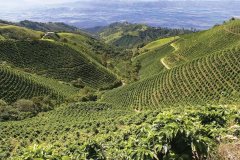
Colombia coffee growing areas and seasonal characteristics of Colombia coffee beans varieties Flavor description
|Colombia is the third largest coffee exporter in the world, mainly producing Arabica coffee and exporting the most Arabica beans. Colombia is rich in products, especially coffee, flowers, gold and emeralds known as the four treasures. Colombia is located in the northwestern part of the South American continent, with Panama in Central America